
 Back to Buying with Bromford
What is Stamp Duty?
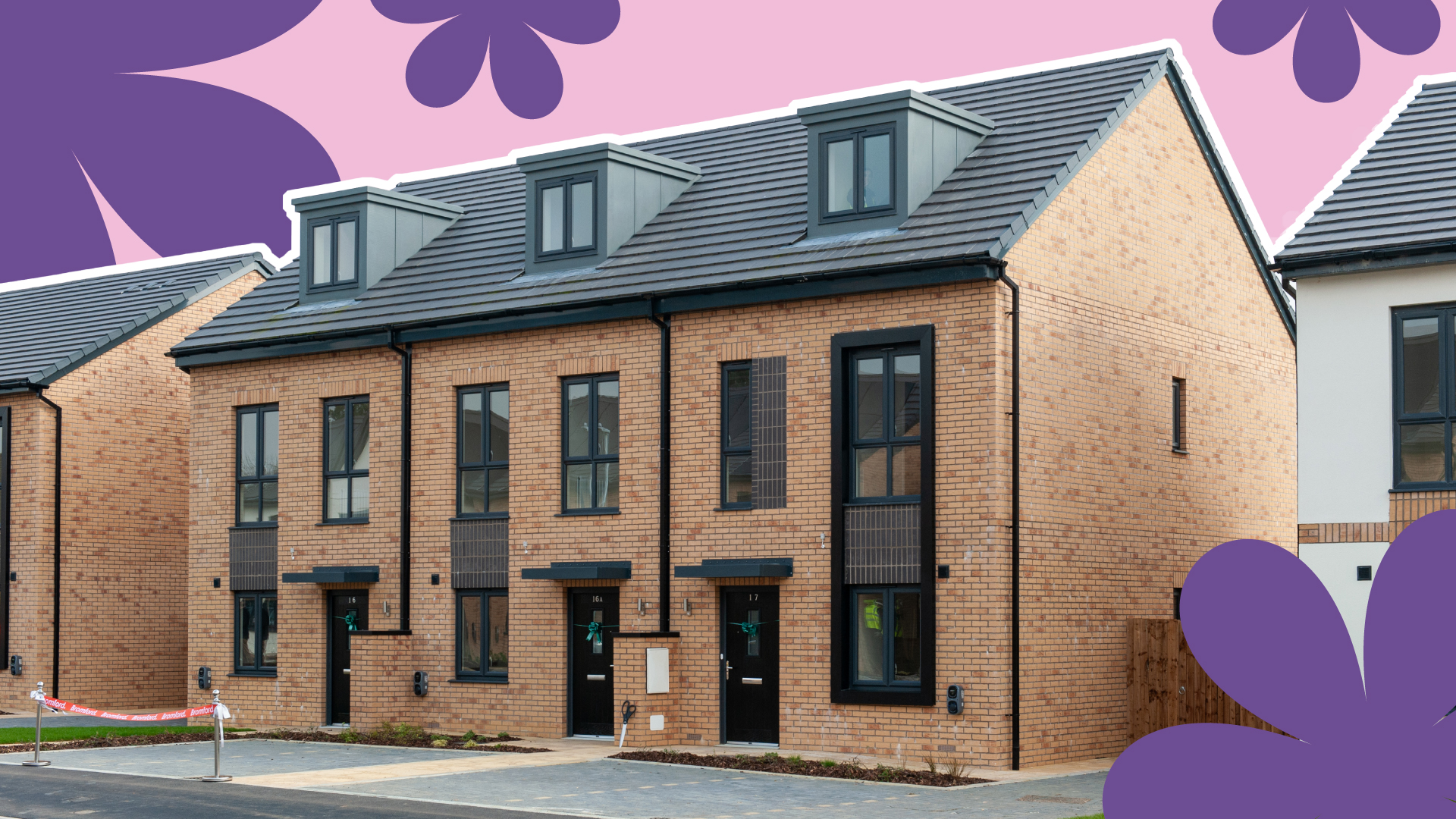
Purchasing a home is an exciting milestone, but with it comes many additional financial considerations.
One such consideration is Stamp Duty, a significant yet often misunderstood expense. We explain what Stamp Duty is and the implications for homebuyers.
When you buy a house in the UK, you are required to pay Stamp Duty Land Tax (SDLT) if the property is above a certain price threshold. This tax is paid to HM Revenue and Customs (HMRC) and is due within 14 days of the property purchase. The good news is if you are a first-time buyer, you won't pay any stamp duty on properties up to £425,000.
How does Stamp Duty work with Shared Ownership?
Stamp Duty works a bit differently for our Shared Ownership homes than for standard home purchases. This is because you’re buying only a share of your home at first, and may “staircase” (buy more shares) later.
When you first buy your Shared Ownership home, you buy your share from Bromford and pay rent on the rest.
At this point, you have two options for how to pay your Stamp Duty:
Option 1 – Pay Stamp Duty on the full market value upfront.
You choose to pay Stamp Duty on the entire value of your home, not just your initial share. You won’t have to pay any more Stamp Duty later, even if you staircase (buy more shares). This can be cheaper overall if you are planning to buy more shares in your home until you own 100%.
Option 2 – Pay Stamp Duty only on the share you’re buying now.
You pay Stamp Duty just on your initial share. If your share costs less than £250,000 (or £425,000 if you qualify as a first-time buyer), you might not owe any Stamp Duty initially. But, if you later buy more shares and go above 80% ownership, you’ll owe more Stamp Duty then, based on the market value of the additional shares at that time.
If you’re a first-time buyer, you can get Stamp Duty relief on Shared Ownership, but only if you choose to pay the full market value upfront. If you choose to pay your Stamp Duty in stages, you can’t claim first-time buyer relief.
How is Stamp Duty Calculated?
The amount of Stamp Duty you pay depends on the property's purchase price and whether you are a first-time buyer, a home mover, or buying an additional property. The tax is calculated on a sliding scale with different rates applied to different portions of the property price.
How to Pay Stamp Duty
Typically, your solicitor or conveyancer ensures Stamp Duty is paid. They will calculate the amount owed, submit the return, and pay on your behalf, usually as part of the completion process.
Seek Advice
Stamp duty is a crucial consideration for homebuyers as it impacts the overall purchase cost. Understanding how much you need to budget for Stamp Duty helps you plan your finances more effectively and avoids any surprises after committing to buy a home. If you're buying a home, consider speaking with a property solicitor or financial advisor to get tailored advice on how Stamp Duty applies to your situation.
How long does the Mortgage process take?
Mortgage Advice Bureau explain more about the process of applying for a mortgage.
How is Shared Ownership rent calculated?
Find out how we calculate the rent you pay on our share of your home.