
 Back to Buying with Bromford
What is an EPC?
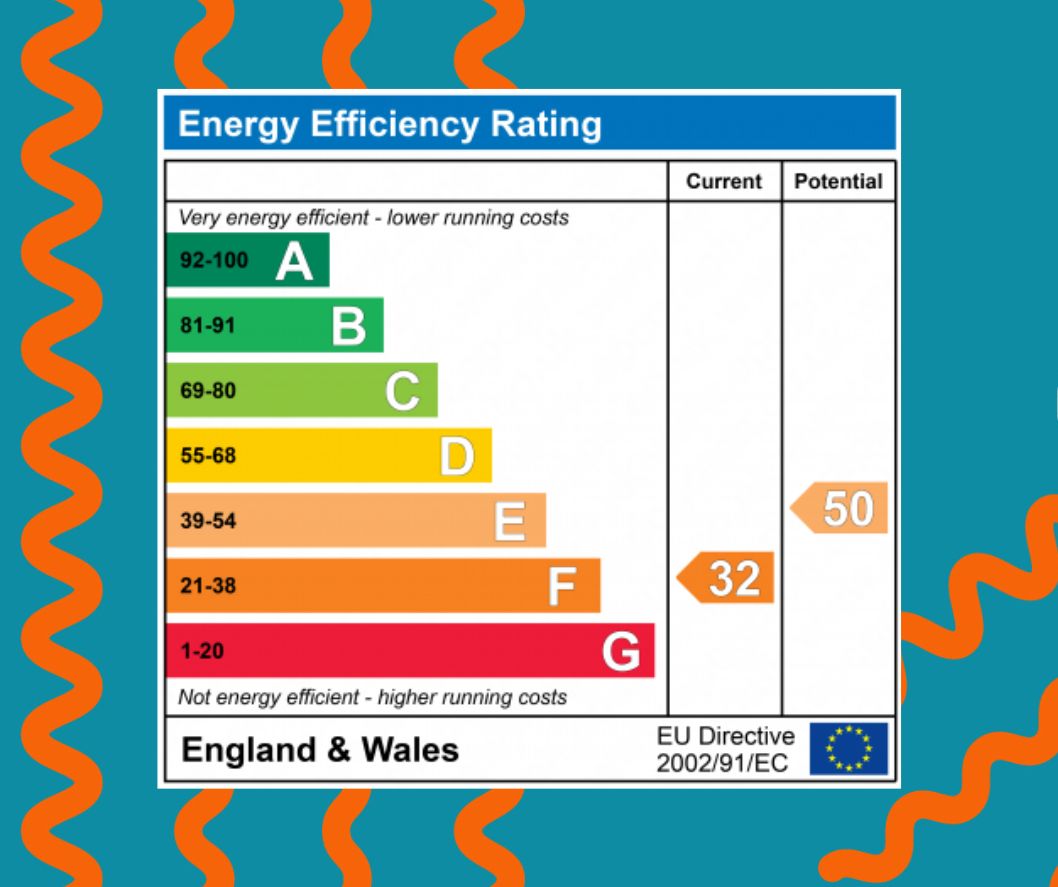
Homebuyers Guide to EPC
The Energy Performance Certificate (EPC) assesses a property's energy efficiency and environmental impact. The seller provides the certificate when you buy a home, which may influence your decision-making.
Energy-efficient homes often have higher market values, and as energy costs rise, properties with good EPC ratings become more attractive to buyers. We'll explain an EPC and how to interpret it to understand its significance in homebuying.
What is an EPC?
An Energy Performance Certificate rates the energy efficiency of a property on a scale from A (most efficient) to G (least efficient). This rating is based on various factors, including the building's structure, insulation, heating systems, and windows. Alongside the rating, the EPC recommends improving the property's energy efficiency, potentially reducing energy bills.
Why is an EPC Important?
A higher EPC rating generally means lower energy bills, as the property is more efficient in retaining heat and using energy. The EPC also includes information on the property's environmental impact. A better rating indicates a lower environmental footprint, aligning with sustainable living goals.
An EPC is a legal requirement when a property is built, sold, or rented. The certificate is valid for 10 years and helps you assess potential renovation costs. If a property has a low rating, you may need to invest in energy efficiency improvements, which could impact your overall budget.
Understanding an EPC
The EPC includes two main charts, the energy efficiency rating and the environmental impact rating. Each chart displays the current and potential ratings if recommended improvements are made. Additionally, it provides estimated costs and savings associated with these improvements.
An EPC is a valuable tool for homebuyers. It offers insight into a property's energy efficiency, potential cost savings, and environmental impact. By understanding and utilising the information in an EPC, you can make more informed decisions, potentially saving money and reducing your carbon footprint. Always review the EPC thoroughly before purchasing a home and consider the recommended improvements to enhance the property's efficiency and value.
What is Stamp Duty?
We explain what Stamp Duty is and the implications for homebuyers.
Your buildings insurance with Bromford
Details of your buildings insurance, including how to make a claim.