
Top 5 air purifying house plants
Indoor plants are more than just decorative additions to your home - they can improve air quality, boost your mood, and bring a touch of nature indoors. Some plants are especially adept at purifying the air, making them excellent choices for creating a healthier home environment. Here’s a look at five low-maintenance air-purifying plants that are as easy to care for as they are beneficial.

Spider Plants
This popular houseplant features narrow, variegated leaves and produces numerous spider-like offshoots that cascade gracefully downward. Renowned for how easy it is to look after, it comes in a load of different types showcasing diverse leaf shapes and colour patterns.
Care Tips:
- Light: Bright, indirect light is ideal, but they can tolerate low light,
- Watering: Allow the soil to dry out slightly between waterings,
- Humidity: They thrive in average household humidity but appreciate occasional misting,
- Special Note: Spider plants are resilient and even produce "pups" or baby plants that you can propagate easily.
Find out more on the RHS website here.
Snake Plants
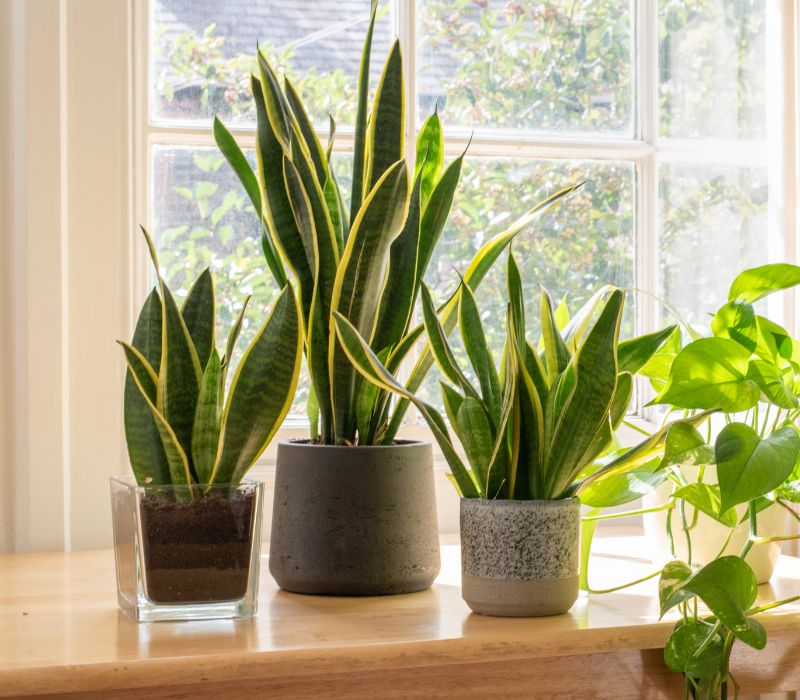
Also known as the "mother-in-law’s tongue," snake plants are almost indestructible. They’re excellent at filtering out toxins like benzene, formaldehyde, and trichloroethylene and are even known to release oxygen at night, making them perfect for bedrooms.
Care Tips:
- Light: Adaptable to various light conditions, from low to bright indirect light,
- Watering: Water sparingly; allow the soil to dry out completely between waterings,
- Humidity: Low humidity is fine, making it ideal for most indoor environments,
- Special Note: Overwatering is the primary cause of issues, so err on the side of underwatering.
Find out more on the RHS website here.
Peace Lilies
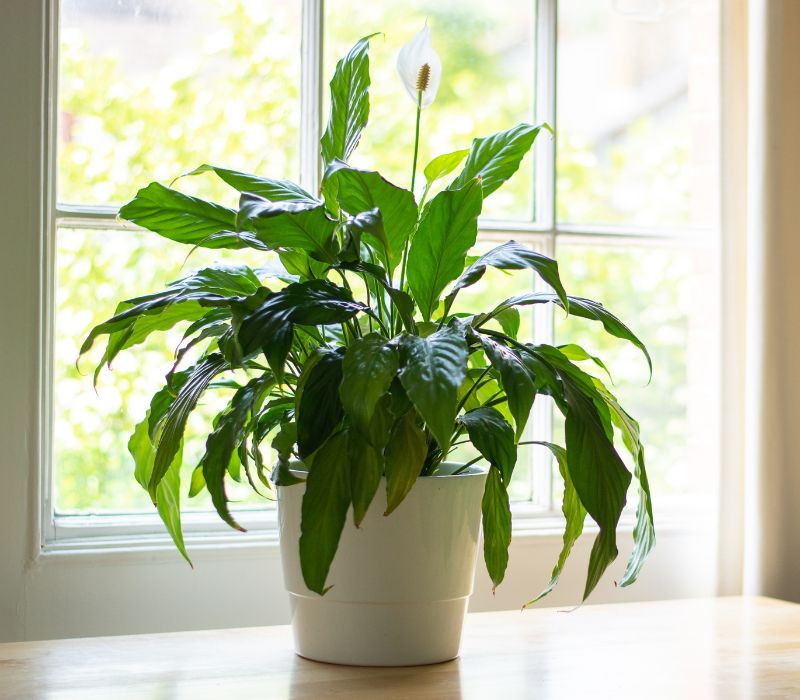
Peace lilies are elegant plants with glossy green leaves and striking white blooms. They’re effective at removing mold spores, ammonia, benzene, and formaldehyde from the air.
Care Tips:
- Light: Prefers low to medium, indirect light; avoid direct sunlight.
- Watering: Keep the soil consistently moist but not soggy.
- Humidity: Thrives in high humidity; consider misting regularly.
- Special Note: Peace lilies can be toxic to pets, so place them out of reach of curious animals.
Find out more on the RHS website here.
ZZ Plant
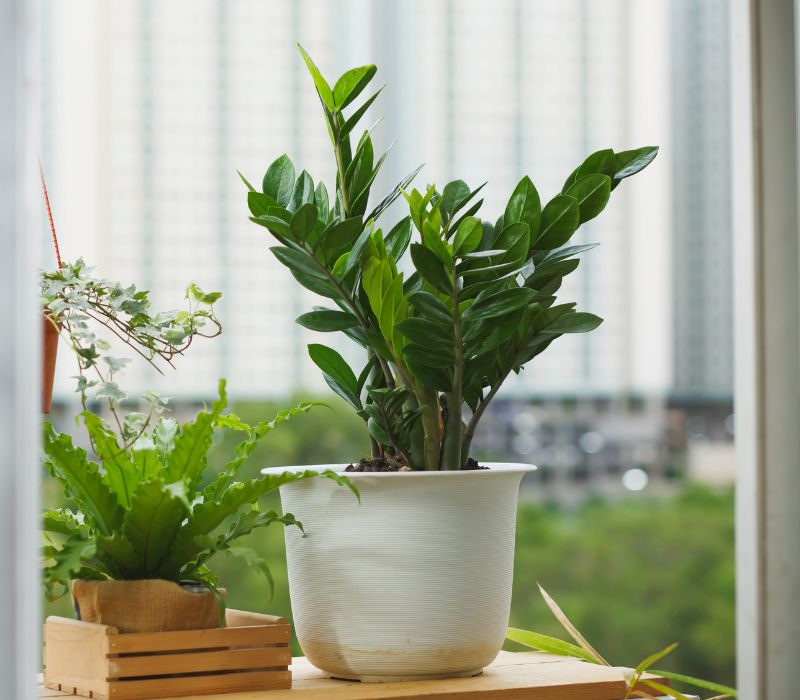
The ZZ plant is a hardy, drought-tolerant option with waxy, deep green leaves that add a modern touch to any space. It’s effective at removing toxins like xylene and toluene.
Care Tips:
- Light: Tolerates low light but grows best in bright, indirect light.
- Watering: Water sparingly, allowing the soil to dry out between waterings.
- Humidity: Does well in average household humidity.
- Special Note: This plant is forgiving if you forget to water it for weeks, making it perfect for beginners.
Find out more on the RHS website here.
Rubber Plants
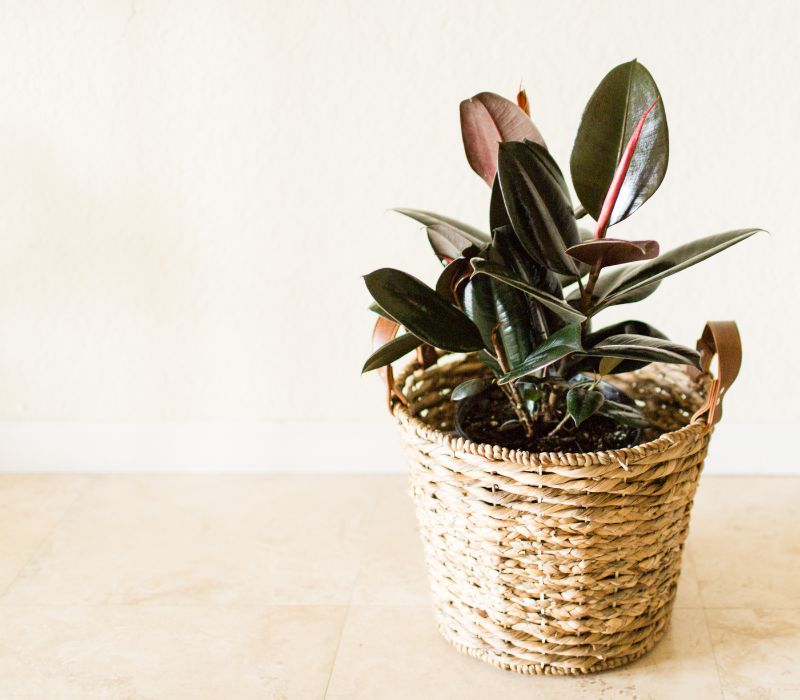
Rubber plants are not only striking with their broad, glossy leaves but also powerful air purifiers. They remove toxins like carbon monoxide, formaldehyde, and trichloroethylene.
Care Tips:
- Light: Prefers bright, indirect light but can tolerate some shade.
- Watering: Water when the top inch of soil feels dry; avoid overwatering.
- Humidity: Likes moderate to high humidity; mist the leaves occasionally.
- Special Note: Regularly wipe the leaves with a damp cloth to keep them dust-free and healthy.
Find out more on the RHS website here.
Why Choose Air-Purifying Plants?
These plants are not only beautiful but also practical. They contribute to cleaner air by removing harmful toxins and increasing oxygen levels. Plus, their low-maintenance nature makes them suitable for even the busiest lifestyles or for those who don’t consider themselves green-thumbed.
Start small by incorporating one or two of these plants into your home. You’ll be amazed at how they can transform your space into a fresh, inviting sanctuary.